
.png)
Artemisia vulgaris
Discover the rich folklore and medicinal depth of Mugwort (Artemisia vulgaris)—a traditional herb known for supporting digestion, easing menstrual tension, and enhancing dream clarity. In this blog, explore where Mugwort grows, how to identify it confidently, and the energetics that make it a potent ally for the nervous system, womb, and digestive tract. Learn ethical harvesting practices, traditional preparations, and the ways Mugwort has been used across cultures for intuition, dream work, and restoring balance to the body. A perfect read for anyone wanting to connect with this aromatic, protective, and deeply grounding plant.
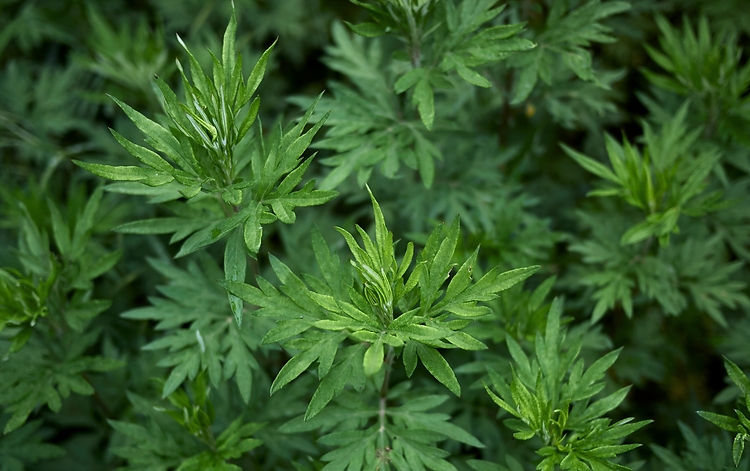
Habitat & Growth Pattern
Mugwort is a hardy perennial native to Europe, Asia, and Northern Africa, but it now grows freely across North America and beyond. It thrives in disturbed soils — roadsides, vacant lots, field edges, and untamed garden corners. Once established, Mugwort is incredibly resilient, preferring full sun but tolerating partial shade. It can grow in a variety of soils, though it favors well-drained, slightly alkaline conditions. Left to her own devices, she can become dominant, spreading through both rhizomes and seed — a reminder of her wild, untamable nature.
Harvesting
Key Identifying Features
Leaves: Deeply lobed, green on top and silvery-white underneath due to a fine layer of soft hairs — they almost shimmer when the wind moves through them.
Stems: Tall, often reaching 3–6 feet, with a reddish or purplish hue.
Flowers: Tiny, pale yellow to reddish brown, forming panicles in late summer. They’re not showy, but subtly beautiful.
Aroma: The crushed leaves release a pungent, sage-like scent — unmistakable, especially in the warmth of summer.
Harvest Mugwort before it blooms in the late spring and again in early fall. Leave some to flower and set seed if you are aiming to grow your patch rapidly.
Find Mugwort in...

Gut Healing - Fresh Plant Tincture
Repair gut lining with mucous membrane tonics Plantain and Pearly Everlasting. Support the immune system to reduce inflammatory reactions with immune modulator Red Belt Polypore. Prevent dysbiotic gut environments with anti-parasitic Mugwort and antimicrobial/antifungal Cassia Cinnamon. Learn More

No PMS Please! - Medicinal Tea
Promote hormonal balance and estrogen clearance with Thimble Berry Leaf, Raspberry Leaf, Mugwort, and Rose. Reduce common symptoms such as cramping, breast tenderness, low mood, and skin breakouts. Provide circulatory support with Yarrow, Hibiscus, and Ginger to alleviate heavy or light menstruation. Assist an overtaxed body with deeply nourishing and stress relieving Licorice. Learn More

Sweet Dreamz - Medicinal Tea
Rested, deep sleep is possible with Mugwort, Holy Basil, Passionflower, Valerian, Lavender and Chamomile. This complete formula addresses the most common reasons for sleep disturbance. Lavender and Passionflower reduce the daily worries that prevent sleep from coming quickly while Holy Basil keeps stress hormones low to prevent early waking. Deep, restorative sleep is maintained with Valerian and Chamomile and dreams are made all the sweeter with Mugwort. Learn More
Medicinal Uses
Digestive Aid
Mugwort stimulates bile production and has traditionally been used for sluggish digestion, gas, and bloating. Creating a cold infusion will release more gut soothing aspects of Mugwort, whereas a hot tea will better aid in the release of bile for digestive support.
Menstrual Support
Known as an emmenagogue (stimulates menstrual flow), Mugwort is used to stimulate and regulate menstruation, ease cramping, and support tone in the smooth muscle of the uterus.
Nervine
Its bitter profile also offers subtle support to the nervous system — calming without sedating, grounding without dulling. Mugwort is a choice herb when addressing mood fluctuations or headaches associated with PMS for its nervine and liver calming qualities.
Dreamwork & Sleep
Perhaps most famously, Mugwort is the plant of dreams. Taken as tea or tucked into sleep sachets or dream pillows, it is said to enhance lucid dreaming, deepen dream recall, and protect the dreamer.
Dosage
Mugwort should be avoided during pregnancy due to its potential to stimulate uterine contractions. For internal use, harvest Mugwort prior to flowering - as Mugwort ages she creates more of the neurotoxic compound thujone, when used regularly at this stage it can harm cognitive function. When harvested appropriately Mugwort can safely be used on a regular basis drunk as a daily tea.


